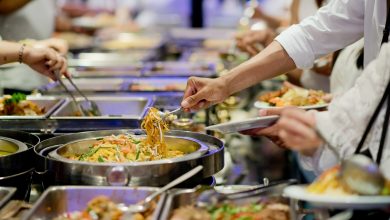
Planning an event menu that satisfies a broad group of guests has always been a balancing act. In today’s interconnected culinary landscape, guest lists often bring together varied cultural backgrounds, multi-generational taste preferences, and complex dietary requirements. Relying on conservative banquet classics like unseasoned chicken breast or plain pasta frequently leaves attendees uninspired. Conversely, swinging too far toward niche regional cooking can intimidate unadventurous eaters.
Fusion catering bridges this divide. When executed with respect, skill, and culinary balance, fusion dining is far more than an experimental novelty. It serves as an inclusive platform that celebrates heritage, sparks curiosity, and accommodates varied dietary needs within a cohesive dining program. Developing a successful fusion menu requires understanding flavor profiles, designing smart service formats, and prioritizing clear guest communication.
The Foundations of Balanced Culinary Fusion
The term fusion has evolved significantly from the erratic combinations of the late twentieth century. Modern culinary fusion focuses on intentional harmony, pairing shared flavor foundations across culinary cultures rather than forcing disparate components together.
Identifying Shared Flavor Bridges
Different global cuisines often share common taste components, aromatic bases, or preparation techniques. Identifying these bridges ensures that unique combinations taste deliberate rather than disjointed:
-
Acid and Fermentation: Citrus, vinegars, and fermented pastes appear across continents. A Mexican lime-and-chili seasoning pairs naturally with Southeast Asian tamarind or fish sauce profiles because both traditions rely on bright acidity to balance rich meats.
-
Warm Aromatics: Spices like cinnamon, clove, cumin, and star anise provide common ground across Middle Eastern, North African, South Asian, and Latin American dishes.
-
Texture Contrast: Crisp raw vegetables paired with braised meats are central to Korean ssam wraps, Vietnamese banh mi, and French charcuterie boards.
-
Comfort Staples: Rice, flatbreads, dumplings, and noodles exist in almost every major culinary heritage. These familiar textures serve as welcoming canvases for complex marinades, glazes, and seasonings.
Preserving Cultural Integrity
A successful fusion menu honors the roots of every cuisine it draws upon. Avoid stripping an ingredient of its identity merely to check a novelty box. Instead, aim to showcase authentic culinary techniques—such as smoking, pickling, wok-tossing, or slow-braising—while swapping in complementary sauces, local produce, or secondary seasonings. True culinary synthesis celebrates both origins while creating something entirely fresh.
Crafting Menus for Varied Dietary Preferences
A primary advantage of a thoughtfully planned fusion program is its ability to meet diverse dietary constraints naturally, rather than treating them as an afterthought.
Plant-Centric Global Traditions
Many Western menus struggle with vegetarian and vegan alternatives because traditional banquet proteins center heavily on beef, pork, or poultry. Global culinary traditions, however, offer centuries of plant-forward mastery:
-
Legumes and Pulses: South Asian lentil preparations and Mediterranean chickpea dishes provide hearty texture and protein without requiring processed meat substitutes.
-
Curries and Stews: Thai green curries using coconut milk, tender squash, and lemongrass offer deep complexity while remaining completely dairy-free and gluten-free.
-
Tofu and Fermented Soy: Using smoked tofu or tempeh seasoned with Latin chipotle glazes or Caribbean jerk rubs delivers satisfying texture and robust flavor to plant-based diners.
Managing Allergens and Dietary Laws
Large gatherings inevitably include guests with specific medical or religious dietary requirements:
-
Gluten Sensitivity: Relying on corn masa, rice noodles, or tapioca starch naturally accommodates gluten-sensitive attendees while highlighting traditional Mexican, Vietnamese, and Brazilian preparations.
-
Kosher and Halal Harmony: By utilizing certified Halal or Kosher meats, or leaning into vibrant seafood and vegetarian offerings, hosts can accommodate religious dietary boundaries without isolating anyone.
-
Dairy-Free Creaminess: Southeast Asian coconut creams, Latin avocado purées, and Mediterranean tahini emulsion sauces provide rich, velvety textures across dishes without using dairy products.
High-Impact Fusion Pairings That Work
Certain culinary combinations have earned widespread appeal because their underlying structures complement each other effortlessly.
Korean and Mexican Synthesis
Perhaps the most recognized modern fusion style, this pairing works because both traditions celebrate acidity, heat, deep marinades, and fresh herb garnishes:
-
Short Rib Tacos: Slow-braised beef short ribs marinated in soy, sesame oil, garlic, and brown sugar, served on warm white corn tortillas and topped with crisp kimchi slaw and scallions.
-
Gochujang Pork Tostadas: Crispy corn shells layered with spicy chili-glazed pulled pork, cotija cheese, pickled daikon radish, and cilantro-lime crema.
Mediterranean and Middle Eastern Meets Latin American
Both regions favor citrus, fresh garlic, charred peppers, and vibrant green sauces:
-
Chimichurri Lamb Kofta: Spiced ground lamb skewers grilled over charcoal, accompanied by an Argentine-style chimichurri spiked with fresh mint, sumac, and pomegranate molasses.
-
Citrus-Cured Sea Bass with Zaatar: Thinly sliced sea bass cured in sour orange juice, olive oil, and zaatar herb seasoning, finished with diced mango and shaved red onion.
French Technique with Japanese Ingredients
This style brings together classic French sauce work and butter-based richness with the clean umami and delicate seasoning of Japanese gastronomy:
-
Miso-Brown Butter Sablefish: Pan-seared wild black cod glazed with sweet white miso and finished with a nutty, pan-toasted butter and yuzu reduction.
-
Wasabi-Infused Potato Mousseline: Traditional velvety mashed potatoes folded with heavy cream, cultured butter, and a measured touch of freshly grated wasabi root for gentle warmth.
Service Formats That Enhance the Fusion Experience
The physical way food is presented influences how adventurous guests feel about trying unfamiliar flavor combinations.
Curated Interactive Stations
Interactive food stations remove the intimidation factor from unique cuisine. Guests can customize their plates based on their heat tolerance, ingredient preferences, and portion comfort:
-
Global Bao and Bun Bars: Offer steamed lotus leaf buns alongside an assortment of fillings, such as five-spice duck, smoked brisket, crispy jackfruit, pickled vegetables, and varied regional dipping sauces.
-
Regional Noodle Carts: Guests select a base of soba, rice vermicelli, or egg noodles, followed by vegetable broths, slow-cooked broths, proteins, and aromatic toppings.
Family-Style Shared Platters
Family-style dining encourages conversation and lets diners sample small portions before committing to a larger serving. Large platters featuring dynamic colors, fresh herbs, and dipping bowls allow guests to navigate their own dining experience at their own pace.
Passed Small Bites for Social Mingling
During cocktail hours or networking receptions, handheld passed bites provide an approachable format for introducing bold fusion ideas:
-
Miniature butter chicken pot pies with flaky puff pastry crusts.
-
Plantain chips topped with ahi tuna tartare, spicy sesame oil, and avocado mousse.
-
Halloumi cheese fries dusted with smoked paprika and served with hot honey-truffle dip.
Operational Success: Kitchen Logistics and Guest Communication
Behind every seamless banquet service lies detailed logistics. Serving complex, multi-flavor menus requires sharp coordination between event organizers and catering teams.
Clear Menu Labeling and Signage
Transparent labeling puts guests at ease. For buffet lines and station displays, provide legible menu cards detailing the primary ingredients, the cultural inspiration, and common dietary indicators such as dairy-free, gluten-free, vegetarian, vegan, and nut-free. Avoid overly whimsical names that obscure what the dish actually contains.
Cross-Contamination Prevention
When cooking for diverse dietary restrictions, physical separation in the preparation area is essential. Caterers must maintain dedicated cutting boards, knives, and cookware for allergens, as well as distinct fryers for shellfish and gluten-containing items. Service staff should be thoroughly briefed on the exact ingredients within every sauce, marinade, and garnish.
Frequently Asked Questions
How can a host prevent fusion dishes from feeling gimmicky or poorly executed?
Avoid throwing together unrelated ingredients merely for shock value or visual novelty. Focus on established culinary techniques and shared flavor profiles, such as balancing sweet, salty, sour, bitter, and umami. Working with an experienced chef who understands the traditional roots of each cuisine ensures that the resulting dish feels cohesive, respectful, and delicious.
What is the best strategy for handling older or highly conservative eaters who dislike unfamiliar spices?
Incorporate at least one or two familiar comfort formats that carry subtle, gentle fusion touches. For example, a tender roasted chicken breast served with a delicate citrus-tarragon sauce or an approachable sweet glaze appeals to traditional palates without feeling completely disconnected from the rest of the globally inspired menu.
How can fusion catering stay cost-effective when working with specialty international ingredients?
Balance expensive imported spices, condiments, and specialty items with affordable, high-yield base ingredients. Pork shoulder, chicken thighs, chuck roast, legumes, heirloom rice, and seasonal root vegetables absorb marinades and braising liquids exceptionally well. Using specialty ingredients primarily in reductions, compound butters, and finishing sauces delivers bold flavor while managing food costs.
What drinks pair well with multi-course fusion menus featuring varied spice and acidity levels?
Versatile, food-friendly beverages work best. Look for aromatic white wines with vibrant acidity, such as dry Riesling, Grüner Veltliner, or Albariño, which handle both spice and citrus well. For reds, opt for low-tannin, fruit-forward varieties like Pinot Noir, Gamay, or Grenache. Additionally, craft mocktails highlighting ginger, lemongrass, hibiscus, and cucumber offer refreshing pairings for non-drinkers.
How many fusion menu choices should be offered at a seated plated dinner?
For a seated plated dinner, offering two protein selections alongside one dedicated plant-based option keeps service swift and kitchen quality high. Selecting proteins with broadly complementary sides allows kitchen staff to execute plates consistently while accommodating varied tastes and dietary restrictions without delay.
What questions should a client ask a caterer during a fusion menu tasting?
Ask how each dish accommodates specific allergies, how the recipes hold up under large-batch service conditions, and what authentic regional sources provide their specialty ingredients. It is also beneficial to ask the culinary team about their background with those specific cultural traditions and how they ensure temperature and sauce consistency from the tasting kitchen to the banquet floor.