A successful event is often remembered for its atmosphere, entertainment, and most importantly, its food. When planned well, catering becomes a central part of the event experience and creates lasting impressions for guests. This Guide to Planning Memorable Food Catering Experiences focuses on understanding event goals, building cohesive menus, managing logistics, and providing service that feels thoughtful and warm. The process goes far beyond selecting dishes. It involves deliberate coordination, culinary expertise, and understanding what guests value most.
Whether planning a corporate luncheon, wedding reception, milestone celebration, graduation party, or community event, catering sets the tone. People naturally connect over meals, share conversations at dinner tables, and feel welcomed when served with attentiveness. When catering is done with intention, it elevates both the atmosphere and emotional connection within the event.
Understanding the Purpose of the Event
The starting point of any catering plan is understanding why the event is being hosted. The purpose drives the menu, service style, décor, and staffing needs. The tone of a wedding dinner is different from a corporate product launch or retirement celebration. This influences how formal or casual the meal should be, how interactive the food service is, and how guests move through the space.
Core Questions to Begin With
- What is the reason for the event
- Who are the guests and what is their dining style
- What kind of atmosphere should the meal help create
- Is the goal efficiency, celebration, connection, or entertainment
Answering these questions early helps ensure the catering aligns with the experience being created.
Selecting the Right Catering Style
Catering is not one uniform method. Different service styles offer different guest experiences. Selecting the right approach affects flow, timing, seating, staff requirements, and budget.
Plated Meal Service
A plated meal presents a structured dining experience. Guests are served courses at assigned seats. This style is suitable for formal events where timing is controlled and guests are expected to remain seated. It allows for elegant presentation and more predictable portion planning.
Buffet Service
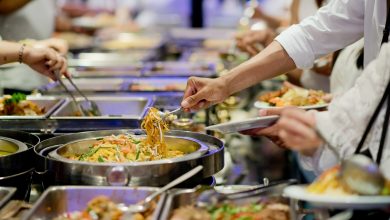
Buffet catering encourages flexibility and movement. Guests can choose what they prefer and return for more. This approach works well for social events where mingling is encouraged. Buffets require a thoughtful layout to prevent crowding and ensure smooth traffic flow.
Family-Style Service
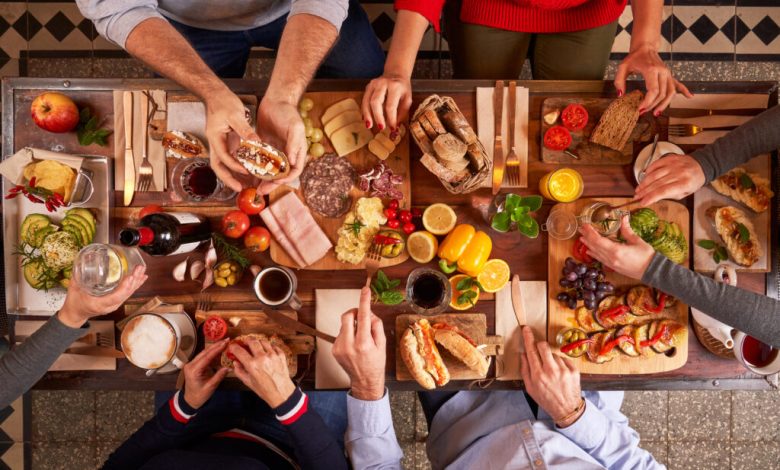
Large platters are placed on each table and shared among guests. This creates a communal dining atmosphere similar to shared meals in a home. This style fosters conversation and connection, making it ideal for celebrations with close friends and families.
Food Stations or Action Stations
Food stations provide an interactive feel. Guests visit different stations to try fresh dishes prepared on-site. This adds entertainment value and supports diverse tastes. Timing must be coordinated to avoid lines and ensure steady food replenishment.
Developing a Menu with Purpose
A memorable catering menu does not rely on complexity. It requires balance, flavor harmony, awareness of dietary needs, and practical execution. The best menus consider seasonality and ingredient quality. Fresh, in-season produce enhances flavor and presentation.
Key Considerations in Menu Planning
- Diversity of flavors without overwhelming guests
- Balance between familiar comfort and memorable creativity
- Temperature control for travel and service
- Dietary accommodations including vegetarian, gluten-free, or allergy-conscious items
- Portion sizes that ensure satisfaction without excess waste
A thoughtful menu respects guest preferences while highlighting culinary personality.
Building Courses and Pairings
A balanced meal builds layers. Starters awaken appetite without filling guests early. Main courses should feel satisfying, flavorful, and visually appealing. Desserts can be simple or elaborate but should provide a pleasant finish. Beverage pairings, whether alcoholic or non-alcoholic, should complement the food rather than overpower it.
Importance of Presentation and Style
Visual appeal influences how guests perceive flavor. Food should be arranged with care, even in casual service settings. Color contrast, plating composition, and serving ware selection all contribute to the dining experience.
Elements that Enhance Food Presentation
- Fresh garnishes that match flavor, not just color
- Clean lines in plating rather than overcrowded dishes
- Warm plates for hot food and chilled plates for cold dishes
- Serving dishes that support the event theme, such as rustic wooden boards, elegant porcelain, or contemporary minimalist platters
Guests often take photos of meals. Presentation contributes to memory.
Staffing and Guest Experience
Catering staff shape the event atmosphere. Their professionalism, pace, attentiveness, and communication with guests influence comfort and satisfaction. Training and clear role assignments matter. Staff should be familiar with menu ingredients in case guests ask questions.
Core Staff Roles
- Event lead or coordinator overseeing timing and flow
- Servers who understand etiquette and guest care
- Chefs or cooks responsible for food preparation and finishing touches
- Support staff for clearing plates, maintaining cleanliness, and refreshing stations
- Beverage service or bartending if applicable
The ideal staff-to-guest ratio ensures efficiency without rushed service.
Logistics and Timing Considerations
Even exceptional food can fall short if timing is off. Catering logistics require precision. Food must remain at safe temperatures, serving must align with speeches or entertainment, and transitions must feel natural.
Important Timing Factors
- Venue access times for setup
- Table layout and room flow for guest comfort
- Food holding methods to maintain temperature
- Serving pace and coordination with activities such as toasts or presentations
A timeline should be planned and shared with vendors, hosts, speakers, and event coordinators to avoid confusion.
Budgeting for Catering
Catering involves multiple cost layers. Understanding what contributes to pricing helps plan realistically.
Cost Variables
- Number of guests
- Menu complexity and ingredient sourcing
- Service style requiring more or fewer staff
- Equipment rental including tables, linens, dinnerware, and specialty items
- Transportation and setup costs
A transparent budget conversation helps avoid unexpected additions later.
Enhancing the Guest Experience with Personal Touches
Small details create emotional connection. Personalization can reflect family traditions, cultural influences, or event themes.
Examples of Meaningful Details
- Including a family recipe or regional specialty
- Featuring beverages or desserts tied to the host’s story
- Personalized menu cards at each table
- A welcome appetizer or signature drink upon arrival
These touches show thoughtfulness and care.
Handling Dietary Restrictions with Respect
Today’s events often include guests with varied dietary needs. Thoughtful accommodation demonstrates respect and inclusivity.
Planning for Dietary Needs
- Collect dietary information early in the RSVP process
- Provide clear menu labels at stations and buffets
- Offer equally appealing alternatives to avoid guests feeling singled out
No guest should feel like an afterthought.
FAQs
How far in advance should catering be planned for an event
Most events benefit from scheduling catering at least two to three months ahead. Large weddings or seasonal events may require even earlier planning to secure staff and ingredients.
What is the best way to ensure food stays fresh throughout the event
Proper equipment, temperature control, and coordinated serving times prevent food from drying out or cooling too quickly. Caterers often bring warming units, insulated carriers, or cold storage depending on the menu.
Can the host mix different serving styles in one event
Yes, combining plated meals with interactive stations or passed appetizers can add variety and create movement. The key is coordinating timing to avoid overcrowding.
How do I choose menu options that appeal to a wide range of guests
Focus on recognizable flavors elevated with thoughtful preparation. Offering at least two proteins and a vegetarian option helps ensure satisfaction.
What is a reasonable staff-to-guest ratio for smooth service
For plated meals, one server per 8 to 12 guests is typical. For buffets, fewer servers may be needed but support staff should be available to maintain cleanliness and replenish food.
This guide provides a detailed framework for designing catering experiences that feel warm, memorable, and well-coordinated. When food, service, and atmosphere work together, guests leave with a lasting positive impression.