A skilled Photographer does far more than simply press a shutter button. This profession blends technical mastery with artistic intention, cultural awareness, business strategy, and human connection. In a world where images travel faster than words, photography plays an essential role in communication, memory preservation, marketing, journalism, and creative expression. Understanding what it takes to succeed in this field today requires looking beyond the obvious and exploring how photographers think, plan, interact, and refine their craft.
Understanding the Core Purpose of Photography
Photography captures a moment in time, but the purpose stretches much deeper. A photograph can be a record of history, a personal story, a commercial asset, or a message intended to influence how someone thinks or feels. Success in this field comes from balancing intention with technique.
At the heart of every great image is a clear understanding of what the moment should express. Photographers often consider:
- The emotional tone they want to communicate
- The relationship between light and shadow
- The natural or staged behavior of subjects
- The environment and how it contributes to the narrative
Photography is storytelling through visual detail. The best photographers develop the habit of seeing the world as a composition of shapes, lines, textures, and expressions that together create meaning.
Types of Photography Specializations
There are numerous specializations within photography, each requiring specific skills, tools, and working styles. While many photographers explore multiple types, most eventually focus on one or two areas.
Portrait Photography
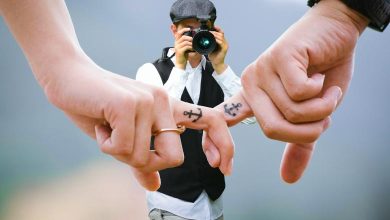
Portrait work centers on people. The aim is to reveal personality, mood, confidence, or a meaningful identity. Portrait photographers require interpersonal skills as much as technical skills, making their subjects feel safe and seen.
Key considerations:
- Facial expression and natural posture
- Lighting setups that flatter features
- Directing without making the subject feel posed or stiff
Commercial and Advertising Photography
This specialization serves business needs. It is strategic and goal-oriented, often developed to influence purchasing decisions or shape brand identity.
Important aspects include:
- Product styling and clarity
- Understanding brand messaging
- Precision lighting techniques
- Consistency across a campaign
Event Photography
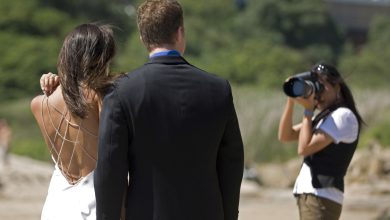
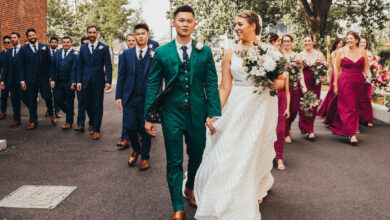
Event work requires capturing spontaneous interactions as they unfold. Lighting conditions shift quickly and coordinating multiple subjects becomes essential. Weddings, corporate events, and festivals fall under this category.
Skills needed:
- Anticipating key emotional moments
- Managing schedule pressure
- Blending into the environment to remain unobtrusive
Documentary and Photojournalism
This branch focuses on real stories. The photographer becomes an observer who records life as it is, prioritizing authenticity over perfection.
Key values:
- Ethical representation
- Respect for subjects
- Accuracy in storytelling
Fine Art Photography
Fine art photographers create work to convey ideas rather than record reality. Their images may be abstract, conceptual, symbolic, or deeply personal. The goal is emotional response and interpretation rather than factual clarity.
Essential Technical Skills
Technical foundation is the backbone of photography. While creativity drives vision, technique provides the control needed to achieve it.
Mastering Exposure
The exposure triangle includes:
- Aperture: Controls depth of field and light entering the lens
- Shutter Speed: Controls motion blur or freezing action
- ISO: Controls sensor sensitivity and affects noise levels
Understanding how these interact allows photographers to create specific visual effects.
Understanding Light
Light is to photography what paint is to painting. The quality, direction, color, and intensity of light change the entire mood of a photograph.
Photographers learn to:
- Use natural light effectively at various times of day
- Shape artificial light through softboxes, reflectors, and diffusers
- Read shadows to guide composition
Composition Techniques
Strong composition makes a photograph visually compelling. Common strategies include:
- Rule of thirds to balance the frame
- Leading lines to guide the viewer’s eye
- Framing subjects within shapes or environments
- Negative space to create simplicity and focus
Post Processing and Editing
Editing is not about correcting mistakes. It is about refining the artistic intent. Programs like professional-level image editors are used to adjust color, exposure, contrast, and texture.
Effective editing maintains natural tones while enhancing clarity and coherence.
The Business Side of a Photography Career
Photography is both an art and a service-based business. Success requires strategic planning as much as artistic improvement.
Building a Portfolio That Reflects Style
A strong portfolio shows consistency and identity. It should demonstrate:
- Technical control
- Emotional or stylistic signature
- Images that reflect the type of work the photographer wants to be hired for
Marketing and Brand Presence
Visual professionals must be visible to clients. Effective marketing might include:
- A professional website with refined galleries
- Social platforms used intentionally rather than randomly
- Networking with creative agencies, event planners, or businesses
- Clear pricing and service packages
Client Relationship Management
Trust is crucial. Good photographers communicate clearly about timelines, expectations, revisions, and results. Positive relationships lead to referrals, which are vital for professional growth.
The Creative Mindset Behind Great Photography
Creativity is not luck or inspiration alone. It is an intentional practice of observing differently.
Seeing Instead of Looking
Most people look at the world without noticing it. Photographers train themselves to study:
- Small shifts in light over minutes
- Expressions that last half a second
- Details others ignore
Curiosity as a Creative Engine
Great photographers ask:
- Why does this moment matter?
- What feeling is happening here?
- How can I show this differently?
This curiosity leads to meaningful images rather than generic ones.
Patience and Persistence
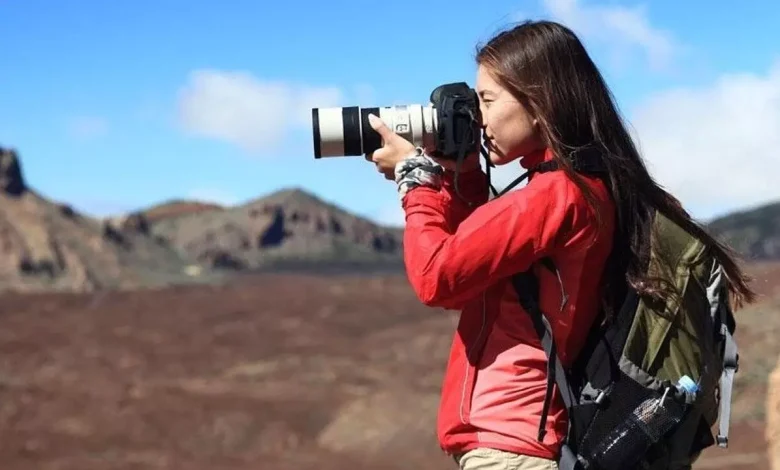
Some of the most powerful photographs require waiting for the right moment. Patience is a defining skill in event, wildlife, documentary, and portrait photography. Persistence comes through constant practice, experimentation, and refinement.
Real-World Challenges Photographers Face
Every profession has complexity behind the scenes. Photography has both artistic pressure and operational challenges.
Common difficulties include:
- Balancing personal artistic vision with client requests
- Staying competitive in markets where technology is increasingly accessible
- Managing irregular income streams
- Maintaining inspiration while producing consistent results
Successful photographers accept these realities and adapt with planning, learning, and flexibility.
FAQs
What is the most important quality for someone who wants to become a successful photographer?
The most important quality is the ability to observe deeply. Technical skills can be learned and equipment can be purchased, but the ability to notice emotion, light, timing, and composition sets great photographers apart.
Do photographers need formal education?
Formal education can help, especially in areas like lighting theory and art history, but it is not required. Many photographers are self-taught through continuous practice, mentorship, and analyzing the work of professionals they admire.
How long does it take to develop a personal style?
Developing a personal style is gradual. It often emerges after thousands of images, experimentation with different genres, and reflection on what themes or visual elements consistently feel meaningful to the photographer.
How can beginners improve faster?
The most effective improvement methods include:
- Reviewing and critiquing your own photos regularly
- Studying classic and contemporary photography
- Photographing as often as possible, even in everyday settings
- Learning how to use light rather than relying solely on editing
What is the best first camera for someone starting photography?
The best starting camera is one that encourages learning rather than one focused on advanced features. A camera with manual controls and interchangeable lenses is valuable for growth because it teaches exposure, lighting, and composition more effectively than automated devices.
This article illustrates the depth, responsibility, and creativity involved in photography as a profession and art form. The role of a photographer continues to evolve, but the core remains rooted in curiosity, technical understanding, and the ability to see humanity in a single moment.