Venues play a central role in shaping the atmosphere, flow, and outcome of any gathering. Whether the occasion is a corporate conference, wedding reception, fundraising gala, graduation celebration, music performance, or private dinner, the location selected influences how guests feel, communicate, and remember the experience. Choosing the right venue involves more than selecting a beautiful space. It requires strategic consideration of logistics, purpose, capacity, accessibility, ambiance, and services.
Selecting venues early in the planning process helps set a clear direction. The venue decision affects every part of an event, including the schedule, layout, food service, entertainment, guest list, and even the emotional tone. Because of this, the venue should reflect the event’s goals and values, serve the needs of the attendees, and support smooth coordination from start to finish.
The Importance of Choosing the Right Venue
A suitable venue determines not only how guests physically interact within a space but also how engaged and comfortable they feel throughout the event. A strong venue choice supports the event theme, provides appropriate acoustics and lighting, offers necessary technology, and maintains logistical flow so guests are not confused or overcrowded.
A poorly chosen venue may lead to issues such as:
- Limited seating or overcrowding
- Poor sound or visibility
- Insufficient parking or inconvenient transportation
- Discomfort due to inadequate temperature control
- Organizational delays due to layout challenges
The right venue sets the foundation for a seamless, meaningful experience.
Key Factors to Consider When Selecting Venues
Location and Accessibility
Location is one of the most decisive elements. A venue should be easy to reach for most attendees. Consider whether the event is local, regional, or national. If many guests are traveling, proximity to airports, hotels, and major highways matters. For local events, ease of parking, rideshare access, and public transit availability influence convenience.
Capacity and Room Flow
Capacity determines how comfortably guests can be accommodated. If a space is too large, the event may feel empty and unfocused. If too small, guests may feel cramped. Room flow describes how people move through the venue. Pay attention to:
- Entry and exit points
- Hallways and corridors
- Stage or focal point visibility
- Space for socializing or mingling
- Accessibility for individuals with mobility needs
The structure should match the type of gathering. A networking function benefits from open spaces, while a seminar requires clear seating lines.
Ambiance and Architectural Style
Ambiance influences guest emotions. The venue should complement the theme of the event rather than forcing expensive redesign efforts. Consider lighting, decor style, natural elements, ceiling height, indoor versus outdoor options, and acoustics. For example:
- A wedding may benefit from warm lighting and romantic architecture.
- A corporate product launch may need sleek, modern design.
- A cultural celebration may require authenticity in layout and decor.
On-Site Services and Amenities
Many venues offer services that reduce the need to hire additional vendors. These can include:
- Catering and beverage service
- Audio and visual equipment
- Event coordinators or support staff
- Tables, chairs, linens, and place settings
- Staging or lighting equipment
- Security or crowd management teams
Understanding available services helps determine additional costs and coordination needs.
Cost Structure and Contract Terms
Cost varies depending on date, time, season, location, and included services. Review contracts carefully to understand:
- Payment schedules
- Cancellation policies
- Extra charges for overtime or additional services
- Rules concerning outside vendors
- Restrictions on music, catering, or decorations
A clear understanding of costs prevents financial surprises and allows accurate budget planning.
Types of Venues and Their Best Uses
Hotels and Conference Centers
Hotels provide convenience, lodging options, and professional event staff. These locations are ideal for:
- Conferences and corporate meetings
- Multi-day workshops
- Receptions and banquets where guests may travel
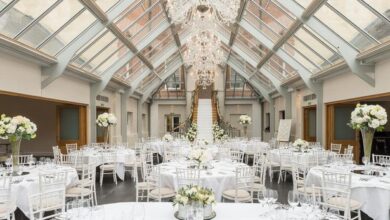
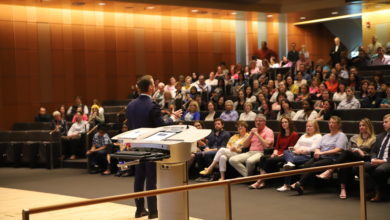
Conference centers are designed for high-capacity gatherings and typically have advanced technology equipment and adaptable seating configurations.
Banquet Halls and Event Centers
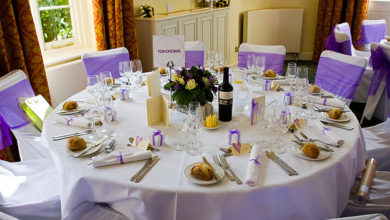
These spaces are built specifically for gatherings. They work well for weddings, private parties, anniversaries, holiday events, and awards banquets. They often include catering packages and decor options.
Outdoor Venues and Gardens
Outdoor venues provide natural atmosphere, scenic views, and open space. They are ideal for warm-weather gatherings but require weather contingency planning. Consider whether the venue has tents, coverings, or indoor backup locations.
Restaurants and Private Dining Spaces
For smaller, more intimate events, restaurant venues offer convenience and unique ambiance. They may be best for:
- Business dinners
- Retirement celebrations
- Birthday gatherings
- Rehearsal dinners
Cultural and Historic Venues
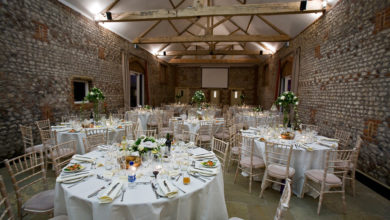
Museums, galleries, theaters, and historic estates add significance and character. These venues enhance guest experience through architecture and storytelling but may have stricter restrictions on food, movement, or lighting.
Planning the Event Layout and Design
Once the venue is selected, layout planning begins. The arrangement of furniture, staging, and decor affects how guests move, interact, and engage.
Key considerations include:
- Creating natural gathering points
- Ensuring clear visibility of focal areas such as stages or podiums
- Providing wide walkways to avoid congestion
- Balancing seating comfort and event duration
- Making sure restrooms are accessible from main spaces
Lighting also influences mood. Soft lighting encourages conversation while bright lighting improves visibility for presentations or exhibitions.
The Role of Technology and Audio-Visual Setup
Modern events often require technology for presentations, entertainment, hybrid attendance, or recording. Before booking, verify:
- Internet bandwidth strength
- Sound system quality and microphone availability
- Screen placement and projector compatibility
- Power outlets and charging station access
- Staff support for troubleshooting
Clear communication with venue technicians reduces disruptions.
Guest Experience and Hospitality
A successful event considers how guests feel from arrival to departure. Attention should be given to:
- Welcoming entry signage
- Friendly and visible staff
- Efficient check-in or seating procedures
- Clean restrooms and accessible facilities
- Comfortable temperature and seating conditions
- Smooth food and beverage service
Small details such as music selection, scent, and lighting can improve emotional atmosphere.
Sustainability Considerations in Venue Selection
Sustainability has become a key concern for many hosts. Environmentally conscious venues may offer:
- Waste reduction programs
- Locally sourced catering
- Energy-efficient lighting
- Reusable dishware instead of disposables
- On-site recycling or composting
Selecting such venues reflects social responsibility and can reduce event impact.
Frequently Asked Questions (FAQ)
How early should I book a venue?
For large events or peak season dates, booking 8 to 12 months in advance is ideal. Smaller events may require only 2 to 4 months of planning. Booking early provides more date options and avoids rushed decisions.
What questions should I ask during a venue tour?
Ask about capacity limits, parking, security, catering policies, audiovisual capabilities, staffing availability, and any restrictions regarding decor or music. Request to see restrooms, back entrances, and prep areas as well.
Should I visit a venue more than once before booking?
Yes, visiting more than once can reveal details missed initially. Consider visiting during a time when the venue is hosting an event similar to yours for a realistic sense of noise levels and layout possibilities.
What if the weather changes for an outdoor venue?
Always request a designated backup space. Ensure the backup location is included in the contract and prepared to support the full guest count.
How do I estimate how much space is needed per guest?
Seated events typically require more space than stand-up receptions. As a general rule, allow at least 10 to 14 square feet per guest for seated arrangements and 6 to 8 square feet per guest for standing gatherings.
A venue is more than a setting. It is the backbone of the event atmosphere, the container for guest experience, and a decisive factor in how comfortably and effectively an event unfolds. Choosing well requires thoughtful planning, careful evaluation, and a clear vision of the event’s purpose and desired impact.