Understanding the different types of catering services helps event hosts select the right approach for their occasion. Catering is not a one-size-fits-all service. Each event type comes with its own style of food preparation, service format, guest expectations, and planning considerations. By identifying the correct catering model, hosts can ensure the meal experience supports the tone of the event while remaining efficient, enjoyable, and well-organized.
Social Event Catering
Social event catering focuses on personal milestones, private celebrations, and family gatherings. These events often emphasize personalization, memorable food presentation, and flexible menu planning.
Common occasions for social event catering:
- Weddings
- Engagement parties
- Birthday celebrations
- Holiday gatherings
- Anniversaries
- Baby showers and family receptions
Social caterers typically work closely with hosts to explore flavor preferences, cultural influences, and dietary considerations. Menu tastings are often included, allowing clients to refine selections before the event. The catering presentation often reflects the event theme through plating, décor accents, and staff attire.
Wedding Catering
Wedding catering stands apart due to its scale, detail, and emotional significance. It involves coordinating multiple meal components throughout the event timeline, such as cocktail hour appetizers, a formal meal, dessert service, and sometimes late-night snacks.
Key features of wedding catering:
- Comprehensive planning consultations
- Custom menu development
- Specialized setups for multi-course dining
- Collaboration with wedding planners and venue staff
- Higher staffing requirements for smooth service
Wedding catering places strong emphasis on timing and elegance. Service must be coordinated with speeches, dances, and photography schedules, requiring highly experienced team coordination.
Corporate Catering
Corporate catering supports business functions ranging from small internal meetings to large conferences and executive dining. The priority is professionalism, timeliness, and uninterrupted workflow for attendees.
Corporate catering services often include:
- Breakfast service for early meetings
- Buffet lunches for seminars and staff events
- Individual boxed lunches for training sessions
- Formal plated dinners for awards or executive gatherings
Menus are designed to be efficient, widely appealing, and accommodating to diverse dietary needs. Reliability and consistency matter greatly in corporate catering environments.
Buffet-Style Catering
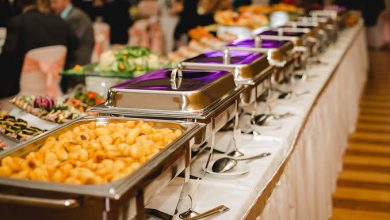
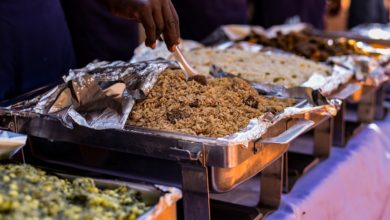
Buffet catering offers guests the ability to serve themselves from a variety of dishes arranged on a service table. It is widely used in both social and corporate settings due to its flexibility.
Benefits of buffet catering:
- Guests choose their own portions and selections
- Efficient for large groups
- Fewer service staff required compared to plated dining
- Wide menu variety can be offered
Buffets require thoughtful setup to maintain food temperature, avoid crowding, and keep presentation appealing throughout service.
Plated Meal Catering
Plated catering provides a formal dining experience where meals are assembled and served individually to guests at their tables. This format is common for weddings, gala dinners, and upscale banquets.
Characteristics of plated catering:
- Structured dining progression (appetizer, entrée, dessert)
- Higher staffing requirement
- Uniform appearance and portion consistency
- Strong emphasis on timing and coordination
This service style enhances elegance, reinforces event flow, and supports a polished, cohesive dining atmosphere.
Cocktail-Style Catering
Cocktail catering focuses on bite-size appetizers, passed small plates, and beverage service rather than full meals. It is ideal for networking events, receptions, and casual mingling environments.
Cocktail catering typically includes:
- Hand-passed hors d’oeuvres
- Food stations or small tasting displays
- Signature drink offerings
- Standing or limited seating arrangements
It encourages social interaction and movement, making it a popular choice for creative brand events or gallery openings.
Food Truck and Mobile Catering
Mobile catering through food trucks or portable kitchens offers a fresh and often more casual dining experience. It is well-suited for outdoor events, festivals, or gatherings where flexibility and trend-forward menus are desired.
Advantages of mobile catering:
- Quick service for large crowds
- Unique, customizable cuisine options
- Minimal indoor venue needs
- Built-in cooking and prep equipment
This option works best when event flow is relaxed and guests are comfortable ordering directly from vendors.
Specialty Catering
Specialty catering focuses on specific dietary, cultural, or cuisine-based needs. These services require strong culinary expertise and careful ingredient sourcing.
Common forms of specialty catering:
- Vegan or plant-based menus
- Regional cuisine such as Southern, Italian, Caribbean, or Mediterranean
- Kosher or Halal certified catering
- Health-conscious or wellness-focused menus
Specialty caterers ensure authenticity, respect food traditions, and maintain proper kitchen handling protocols.
FAQ
How do I choose the right type of catering service?
Consider the size of the event, the desired atmosphere, your budget, and the level of formality. For elegant events, plated meals may be best. For flexible, high-capacity service, buffets are efficient. Casual gatherings may benefit from cocktail-style or mobile catering.
Does the venue affect the type of catering I should choose?
Yes. Some venues provide on-site kitchens while others require food to be prepared off-site. Spaces with limited seating may be better suited for cocktail-style or food station service rather than plated meals.
Can different catering styles be combined?
Many events blend styles, such as offering passed appetizers during cocktail hour followed by a buffet or plated dinner. Skilled caterers adapt menu flow to the event timeline.