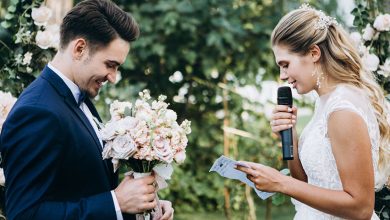
A Ceremony is more than a structured gathering or planned event. It carries emotional weight, historical significance, symbolic gestures, and shared values. Whether rooted in personal milestones or cultural traditions, ceremonies give shape to experiences that matter. They help communities remember, connect, celebrate, mourn, and transition through different stages of life. Understanding the role and structure of ceremonies reveals how they influence identity, belonging, and memory.
Why Ceremonies Matter in Human Life
Ceremonies serve as markers of change. Human development involves transitions, and societies use ceremonies to guide people through these changes with intention. From birth to adulthood, marriage to professional achievements, ceremonies acknowledge growth and create a shared moment of meaning.
Ceremonies emphasize:
- The importance of presence and attention
- Emotional acknowledgment of life events
- Shared values among groups, families, and communities
- The continuity of tradition and cultural identity
Even in modern settings where time often moves quickly, ceremonies invite intentional pause. They are moments where the ordinary becomes symbolic.
Historical Roots of Ceremonial Practice
Throughout history, civilizations have used ceremonies to honor deities, celebrate victories, organize social order, or guide spiritual understanding. Ancient societies performed elaborate rituals that reinforced power, hierarchy, and belief systems.
Examples of historical ceremonial purposes:
- Marking seasonal cycles and agricultural life
- Preparing warriors for battle or celebrating their return
- Welcoming new members into a tribe or group
- Honoring ancestors and lineage
These practices shaped collective memory. They taught communities who they were, what they valued, and how to maintain unity.
Types of Ceremonies Across Cultures
Ceremonies vary widely, yet many share common emotional themes: joy, remembrance, transition, and gratitude. The details may differ, but the purpose is universal.
Life Passage Ceremonies
These ceremonies mark developmental or life changes. They often include symbolic gestures that represent entry into a new phase.
Common examples:
- Naming ceremonies for infants
- Coming of age celebrations
- Graduation events
- Wedding ceremonies
- Retirement celebrations
The goal is to publicly recognize transformation and to provide support during transitions.
Spiritual and Religious Ceremonies
Spiritual ceremonies involve belief systems and shared faith expressions. They often include prayer, music, sacred objects, or structured recitations.
Key attributes:
- Symbolism rooted in scripture or oral tradition
- Participation guided by spiritual leaders
- Rituals performed to honor divine presence or guidance
These ceremonies strengthen moral values and provide community identity.
Commemorative Ceremonies
Commemorative events honor memory. They recall individuals, historical events, or collective experiences that shape cultural identity.
Examples include:
- Memorial gatherings
- Annual remembrance days
- Ceremonies honoring public figures or heroes
These ceremonies help communities process grief and preserve shared heritage.
Ceremonies of Pride and Recognition
Recognition ceremonies acknowledge achievement or contribution. They reinforce motivation and belonging.
Examples include:
- Award presentations
- Military promotions
- Professional milestone acknowledgments
These events acknowledge effort and reinforce personal and group identity.
The Structure of a Ceremony
Although ceremonies vary, they often follow a recognizable structure that guides participants through emotional and symbolic transitions.
Opening Phase
The opening sets the tone. It signals that the moment is distinct from daily life. Silence, music, introductions, or symbolic gestures are used to help participants shift into a reflective or celebratory mindset.
Main Ritual or Central Action
This is the core of the ceremony. It may include:
- Exchanging vows or promises
- Lighting a candle
- Presenting gifts or honors
- Reciting meaningful words
- Sharing personal reflections
The central ritual embodies the meaning of the event.
Closing Phase
The closing transitions participants back into ordinary life. It may involve music, a shared meal, group acknowledgment, or final words of reflection.
Closings reinforce connection and the lasting meaning of the event.
Symbolism in Ceremonial Practices
Symbolism allows simple gestures to communicate deep emotions or values. A ceremony is powerful because it translates invisible ideas into visible actions.
Common symbolic elements include:
- Light representing knowledge, spiritual presence, or hope
- Water symbolizing renewal, cleansing, or continuity
- Rings representing commitment and unity
- Music expressing collective emotion
- Food representing hospitality and shared experience
The exact symbolism depends on cultural interpretation, but the emotional impact remains strong across societies.
The Role of Space and Setting
The physical environment of a ceremony influences how it feels. Setting can reinforce tradition, intimacy, or grandeur.
Considerations include:
- Natural outdoor environments to evoke connection with nature
- Sacred or historical locations for cultural significance
- Private homes for warmth and familiarity
- Public venues for community scale events
The setting communicates the value placed on the ceremony and shapes the emotional tone.
The Importance of Community Participation
Ceremonies often rely on collective involvement. Participation strengthens belonging and helps individuals feel seen and supported.
Community involvement can include:
- Witnessing and affirming vows or statements
- Reciting shared phrases or prayers
- Contributing stories or music
- Offering blessings, gifts, or gestures of support
These shared responsibilities create unity and reinforce social bonds.
How Modern Ceremonies Are Changing
As societies shift, ceremonies evolve. People now often personalize ceremonies to reflect individuality, blended traditions, and diverse beliefs.
Trends in modern ceremonies:
- More emphasis on authenticity rather than strict rules
- Inclusion of music and readings meaningful to participants
- Blending cultural traditions in multicultural families
- Creative locations such as beaches, forests, rooftops, or galleries
Ceremonies today are less about formality and more about intentional meaning.
The Emotional Impact of Ceremonies
Ceremonies allow individuals to process emotions in a structured and supported environment. They help people express joy, grief, gratitude, pride, or release.
Psychological benefits include:
- Stronger memory retention of life milestones
- Healthier emotional transitions during major life changes
- Increased sense of belonging and shared identity
- Reduced feelings of isolation during difficult periods
Ceremonies ground emotions and help individuals feel connected to something larger than themselves.
FAQs
Why do ceremonies often follow similar patterns across different cultures?
Human emotional needs are universal. Even without communication across cultures, groups developed similar ceremonial structures because they address the same needs for belonging, recognition, and shared meaning.
How can someone design a meaningful ceremony?
Start with intention. Identify the purpose, the emotion to highlight, and the transition being acknowledged. Then choose rituals, music, setting, and participants that reinforce those goals.
Can ceremonies be private or individual?
Yes. A ceremony does not require an audience. Personal ceremonies can be deeply meaningful, including journaling practices, lighting candles for reflection, or marking emotional milestones privately.
What makes a ceremony feel authentic rather than forced?
Authenticity comes from choosing rituals and words that feel personally meaningful rather than copying tradition without understanding. The most powerful ceremonies reflect genuine emotion and shared truth.
Why do people sometimes cry during ceremonies even if the event is joyful?
Ceremonies activate memory, belonging, and emotional release. Even joyful ceremonies can evoke tears because they acknowledge change, vulnerability, or fulfillment.