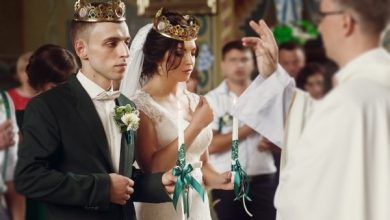
A ceremony is more than a planned gathering. It is a structured moment of significance that marks an important transition, honors an achievement, celebrates a commitment, or acknowledges a shared cultural or personal milestone. A ceremony may be joyful, solemn, reflective, or celebratory, but at its core, it holds symbolic meaning that communicates values and unites participants in shared purpose. The word ceremony is often associated with weddings, graduations, cultural traditions, award recognitions, religious milestones, or community rituals. However, the deeper function of a ceremony is to create meaning, connection, and memory.
Understanding how ceremonies are designed and why they matter allows individuals, families, organizations, and communities to craft moments that feel authentic, memorable, and emotionally impactful.
The Purpose of a Ceremony
A ceremony marks transformation. It signifies the shift from one stage to another, giving emotional structure to experiences that might otherwise pass too quietly or without reflection. Ceremonies exist in nearly every culture and historical period because humans naturally seek ways to express meaning through symbolic action.
Key purposes include:
- Recognizing personal or group achievement
- Acknowledging emotional or spiritual milestones
- Strengthening community relationships
- Passing traditions from one generation to the next
- Creating lasting memories tied to shared identity
By giving time and attention to important transitions, ceremonies help individuals understand where they have been, where they are going, and what values guide them.
Cultural and Historical Significance
Throughout history, ceremonies have served as a foundation for cultural identity. Every society has developed ceremonial practices that communicate beliefs, strengthen group loyalty, and preserve traditions. Examples include seasonal festivals, rites of passage, initiation ceremonies, weddings, funerals, harvest celebrations, and leadership inaugurations.
Ceremonies often connect the physical world with the symbolic one. Rituals, gestures, music, storytelling, and formal language help participants interpret the meaning of life events. These traditions are not merely symbolic gestures; they provide emotional grounding and a shared sense of belonging.
Types of Ceremonies
Personal Milestone Ceremonies
These ceremonies focus on individual transitions. Examples include:
- Birthdays
- Coming-of-age celebrations
- Graduation ceremonies
- Engagements and weddings
- Retirement celebrations
These events highlight personal growth and reinforce supportive relationships.
Cultural or Religious Ceremonies
These ceremonies reflect spiritual or cultural identity. They may include:
- Naming rituals
- Religious commitments or initiations
- Seasonal holidays
- Family heritage celebrations
Such ceremonies connect participants with broader traditions and shared history.
Community and Organizational Ceremonies
Communities and institutions hold ceremonies to acknowledge service or achievement. Common examples are:
- Award presentations
- Memorial observances
- Groundbreaking or ribbon-cutting ceremonies
- Leadership inaugurations
These events strengthen unity and communicate shared values.
Elements That Shape a Ceremony
A meaningful ceremony does not happen by accident. It is intentionally shaped through several key elements that work together to create emotional and symbolic impact.
Purpose and Message
Every ceremony has a core message. This message may be spoken directly or conveyed through actions. Identifying the message early ensures that each detail supports the desired meaning.
Setting and Environment
The location influences atmosphere. A ceremony can take place indoors, outdoors, in public, or in private. The important factor is that the space reflects and supports the significance of the moment.
Structure and Sequence
Ceremonies follow a natural progression, often including:
- Welcome or gathering moment
- Introduction or explanation of purpose
- Symbolic actions or spoken words
- A peak emotional moment
- Closing statement or transition forward
This structure guides participants emotionally and mentally through the experience.
Symbols and Rituals
Symbols give ceremonies depth. They turn abstract ideas into actions that can be felt and remembered. Examples include:
- Lighting a candle to represent connection or remembrance
- Sharing food to represent community
- Wearing specific clothing to represent identity
- Presenting gifts, certificates, or tokens of recognition
Symbols reinforce meaning without requiring lengthy explanation.
Spoken Word and Storytelling
Language gives voice to emotion. Readings, speeches, personal reflections, poems, music lyrics, or prayers can help express meaning that may be difficult to communicate casually.
Music and Sound
Music shapes mood. It can elevate joy, deepen reflection, or invite togetherness. Live music creates emotional intimacy, while recorded music offers precise control of tone.
Participation and Witnessing
Participation may be active or silent, symbolic or spoken. Witnessing matters just as much as participation because acknowledgment gives meaning. When others witness a moment, it becomes real and remembered.
Planning a Ceremony with Intention
Planning a ceremony involves understanding both logistical needs and emotional goals. An effective ceremony balances structure with authenticity.
Step 1: Define the Purpose
Clarify why the ceremony is being held. Ask:
- What is being honored or acknowledged?
- What transition or moment is occurring?
- How should participants feel during and after the ceremony?
Step 2: Identify Participants and Roles
Determine who will lead the ceremony and what roles others will play. This may include:
- Hosts
- Speakers
- Musicians
- Honorees
- Attendees
Clarity prevents confusion and ensures everyone feels comfortable.
Step 3: Choose the Location
The location should match the tone and scale of the event. Consider accessibility, acoustics, lighting, and seating.
Step 4: Select Rituals and Symbols
Choose gestures or moments that reflect the meaning of the event. Keep the design consistent with cultural perspective, personal identity, and emotional intention.
Step 5: Establish the Sequence of Events
Outline the flow from beginning to end. Ensure the ceremony feels natural, not rushed or disorganized. Transitions are key to maintaining emotional coherence.
Step 6: Incorporate Personalization
Personal stories, meaningful songs, custom vows, or shared memories help the ceremony feel unique and sincere.
Step 7: Prepare Everyone Involved
Ensure participants know their role and feel supported. Practice may be necessary for more formal ceremonies.
Common Mistakes to Avoid When Planning a Ceremony
- Overloading the ceremony with too many elements
- Allowing the event to become rushed or overly long
- Forgetting to explain the meaning of certain actions
- Failing to consider comfort needs such as seating, temperature, and access
- Overemphasizing performance instead of emotional authenticity
A strong ceremony prioritizes clarity, simplicity, and emotional resonance.
The Emotional Impact of a Ceremony
A well-designed ceremony can encourage healing, strengthen relationships, provide closure, or inspire motivation. The emotional shift created by ceremony is one of its most powerful features. It allows participants to pause, reflect, and connect deeply with themselves and others.
Ceremonies help:
- Anchor memory
- Create emotional stability during transition
- Strengthen identity and belonging
- Honor values and relationships
Frequently Asked Questions (FAQ)
How long should a ceremony last?
Most ceremonies last between 15 minutes and one hour depending on the formality, purpose, and cultural traditions. The key is ensuring the length supports meaning without causing fatigue.
Should a ceremony always include spoken words?
Not always. Some ceremonies rely more heavily on symbolic gestures, music, or silence. The meaning should guide the format rather than expectation.
Can ceremonies be informal or casual?
Yes. The tone should match the purpose and the personalities involved. Some of the most impactful ceremonies are simple, relaxed, and personal.
How do I include people who cannot attend in person?
You may livestream the ceremony, record it, or incorporate remote participation through written messages, shared videos, or symbolic actions that honor absent guests.
What if I want to design a ceremony with no religious elements?
A ceremony does not require religious structure. Secular ceremonies can be deeply meaningful by focusing on personal values, relationships, cultural identity, and shared experience.
A ceremony is a powerful tool for marking meaningful moments. By shaping emotion, honoring identity, and guiding transition, ceremonies help individuals and communities stay connected to purpose, heritage, and human connection. When designed with intention and care, a ceremony can create memories that influence the heart for years to come.